Sales
Building Trust with Online Buyers
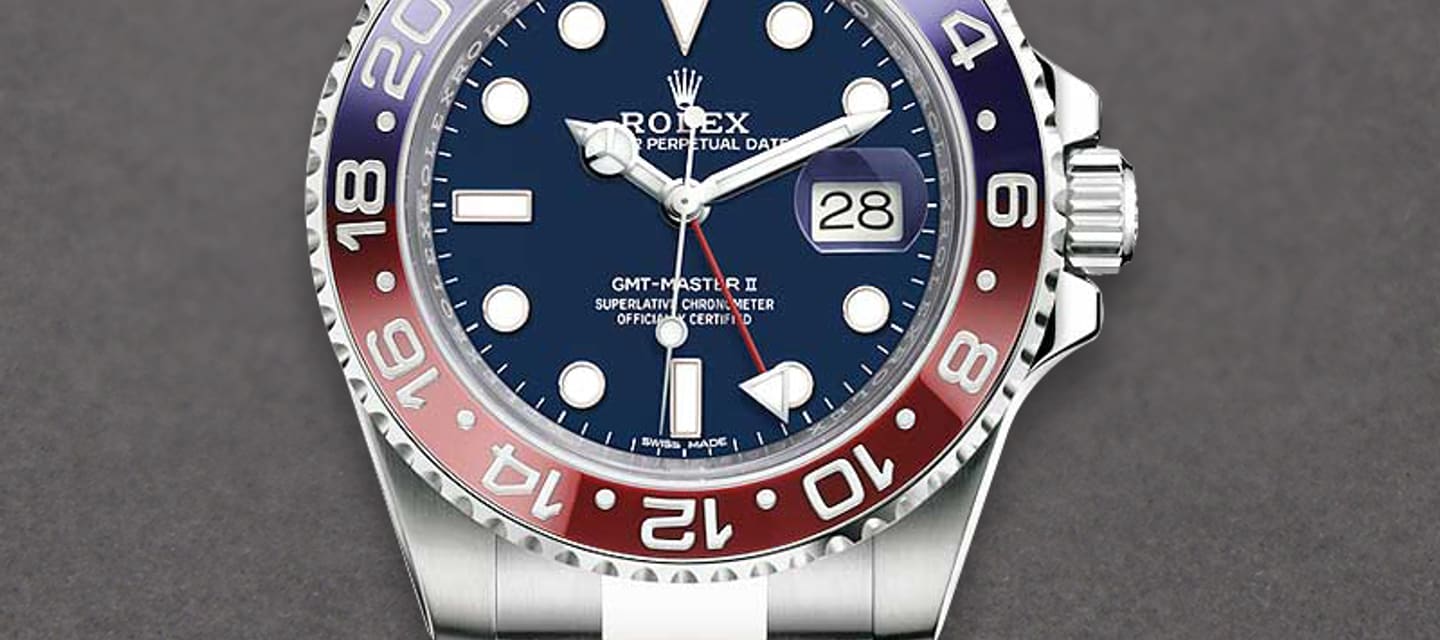
Somewhere right now, a buyer is deciding whether to wire you five figures for a watch they have only seen on a phone screen. They have never met you. They cannot walk into your shop, because you do not have one. Every dealer working out of a home office or a safe deposit box faces the same math: trust is the actual product, and the watch is almost secondary.
The good news is that online trust is built from small, repeatable habits, not a marble showroom. Buyers run a silent checklist on you before they ever mention money. It looks something like this:
| What the buyer checks | What it tells them |
|---|---|
| How you answer questions | Whether you actually have the watch in hand |
| What you disclose unprompted | Whether you will hide problems after the wire |
| Your photos | Whether you are a dealer or a middleman with someone else's images |
| Your invoice and records | Whether there is recourse if something goes wrong |
| Consistency across channels | Whether the price and the story hold up under cross-checking |
Here is how to pass every line of it.
Answer fast, and answer the actual question
Speed matters, but specificity matters more. When someone asks about bracelet stretch and you reply "it's in great condition," you sound like a flipper working off someone else's photos. When you reply "links are tight, it sizes to about a 7.25-inch wrist with two spares in the baggie, light desk wear on the clasp," you sound like the person with the watch on the desk in front of them. Because you are.
If you cannot answer immediately, say so and commit to a time. "It's in the safe, I'll send clasp macros by 3pm" builds more trust than a vague answer sent instantly. Then actually send them by 3pm.
Volunteer the bad news
Disclose every flaw before the buyer finds it: the hairline on the lug, the service dial, the aftermarket clasp, the missing hang tag. Put it in the listing and repeat it in the first conversation. Two things happen. The flaw becomes evidence of your honesty instead of ammunition against you, and you filter out the buyers who were going to grind you on it after the deal anyway.
A buyer who discovers an undisclosed flaw after payment never comes back, and tells other collectors why. A buyer told upfront often buys anyway, and refers people. Disclosure is cheaper than a refund plus a reputation hit, every single time.
Photos of the actual watch, always
Stock images are the fastest way to look like a drop-shipper. Shoot the piece in hand: dial, caseback, clasp, both sets of lugs, and honest macros of anything you disclosed. When a buyer asks for a specific angle, shoot it fresh; a photo with today's date on a slip of paper next to the watch answers "do you really have it?" before they have to ask. If your photography is holding you back, fix that first — it is a learnable skill, not a studio budget.
Keep a paper trail that holds up
Serious buyers judge a dealer's paperwork before the watch ever ships. The baseline:
- A proper numbered invoice with the brand, reference, and serial on it — not a note in a payment app.
- The serial recorded in your own records the day the watch comes in, so what you sell matches what you bought.
- Box and papers stated plainly — full set, papers only, or head only, with dates. Vague answers here cost real money; buyers price the gap.
- Independent verification offered, not just accepted. On higher-value or vintage pieces, suggest an authentication or watchmaker inspection before the buyer asks. Offering it is itself a trust signal.
Be the same dealer everywhere
Buyers cross-check. They will find your WhatsApp listing, your Telegram post, and your website, and compare. If the price differs in each place, or your storefront still shows watches that sold months ago, the whole thing reads like a game. Same name, same photos, same numbers, everywhere — and stale listings pulled the day a deal closes. If the group-chat circuit is a big part of your flow, run those channels with the same discipline you would a retail counter.
Payment and shipping without drama
The last mile is where trust is either confirmed or destroyed. Habits worth being rigid about: invoice before payment, with the receiving account matching the business name on that invoice; insure for full value with signature required; film the packing in one unbroken take showing serial, condition, and the box being sealed; send tracking before the buyer asks for it; and message them on delivery day. None of this is complicated. What makes it powerful is that you do it identically on a $2,000 deal and a $40,000 one.
Trust compounds
None of these habits closes a sale on its own. Together, they change the question in the buyer's head from "is this person safe?" to "what else does he have?" That second question is where a real book of repeat clients comes from — and repeat clients are the only marketing channel that gets cheaper every year.
The paper-trail half of this gets easier when your records live in one place. WatchFlow tracks each watch's brand, reference, serial, condition, and ownership status in inventory, generates numbered sales, memo, and trade invoices as PDFs, and includes a public retail storefront (plus a password-gated wholesale one) that syncs automatically to that inventory — so the watches a buyer sees are the watches you actually have. See what's included.